

These are a quantity of cases of pods, offering redundancy and scalability. If one instance fails, the site visitors is mechanically rerouted to the other situations with none downtime. This means that multiple cases of your application are working simultaneously, with visitors being distributed among these cases. It is the most resource-intensive and expensive strategy because it requires preserving an extra fully operational system operating always. When the primary system fails, the new standby system seamlessly takes over the workload with minimal to no disruption. The standby system is always ready to take over instantly without any noticeable downtime.
Am I Able To Examine My Own Web Site’s Hosting Provider?
Scorching standby is the quickest of the three as a outcome of it’s already running and current. A warm standby is partially ready, but not fully synchronized or always energetic. If the app can’t reconnect cleanly, the failover may fit at the infrastructure layer while customers still see errors. The system does not have to be built from scratch or brought ava.hosting online from cold storage.
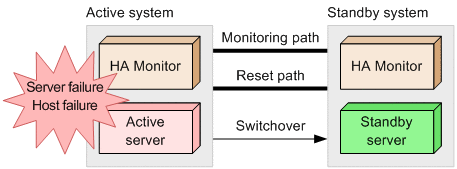
- Cold standby is a catastrophe restoration method used in system design where you could have a identical system that acts as a backup for your main system.
- In a virtualization or cluster environment, it could imply stateful replication of workload knowledge and configuration.
- A true hot standby is reside, aligned, and failover-ready.
Increased Reliability
Moreover, we will run exams and queries towards the secondary server to find a way to not interfere with the operations of the first server. If the database does not have a backup which can take its place in case of failure, then all of your operations that depend on the database may be affected from only a single point of failure. Some domains resolve directly to their host’s infrastructure; others sit behind a CDN or proxy. When the primary server fails, the secondary server will automatically switch all system management to the secondary server.
Key Features Of Sizzling Standby
Whether Or Not it’s a cold, heat, or sizzling standby setup, every method carries distinctive trade-offs between value, complexity, and resilience. Here, failover happens routinely, and customers might not even discover — because the standby system picks up exactly where the first left off. If the server fails, the IT team restores the service from a nightly backup and reruns the duty. It’s not working, but when your major automotive breaks down, you can start it up and drive — though it’d take a while to get it prepared. These systems should be resilient to failure because people’s lives or large-scale operations could depend on their availability.